Valentine Gildan 5000 T-Shirt Mockup Review
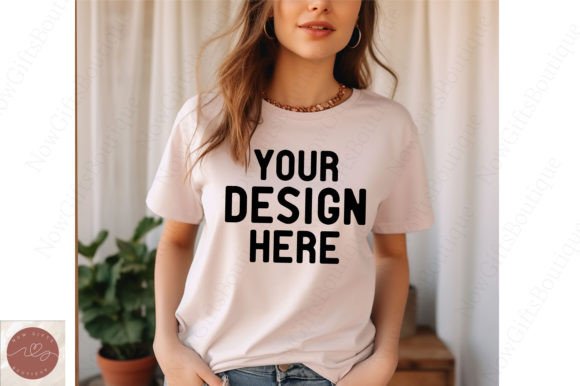
As a designer who has spent countless hours digitizing patterns and watching needles pierce fabric, I have learned that the gap between a digital file and a finished embroidery project is often wider than clients realize. We spend so much time perfecting the machine embroidery design itself—adjusting stitch density, refining underlay, and selecting the perfect thread colors—that we sometimes neglect how the final product is presented to the world. This is where the Valentine Gildan 5000 T-shirt Mockup enters the conversation, not just as a pretty picture, but as a critical tool for visualizing success.
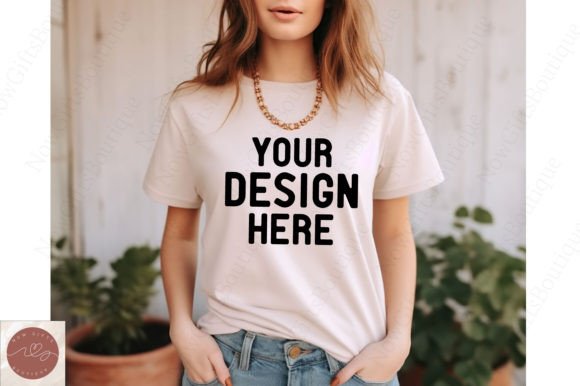
I recently pulled this mockup into my workflow while preparing a seasonal collection for a boutique client. The goal was simple: create a line of personalized Valentine’s Day apparel that felt warm, authentic, and high-quality. Before I even loaded a single bobbin, I needed to see how my new heart-themed applique design would sit on the chest of a standard crew neck. The Valentine Gildan 5000 T-shirt Mockup provided that immediate, realistic context. It is not merely a background; it is a simulation of the final finished product, allowing us to judge scale, placement, and color harmony before committing to expensive blanks.
First Impressions and Visual Mood
The first thing that strikes you about this mockup is its neutrality paired with thematic relevance. The Gildan 5000 is arguably the most common blank in the industry, known for its sturdy, classic fit. By using a mockup based on this specific shirt, you are grounding your digital embroidery file in reality. The lighting in the mockup is soft but directional, highlighting the texture of the cotton blend without washing out the details of the embroidery.
For a designer, this matters immensely. When I placed a delicate satin stitch rose pattern onto the mockup, the shadows cast by the virtual threads gave me an instant sense of dimension. It helped me decide whether the design needed more fill stitch coverage or if the open spaces were sufficient. The mood created is one of approachable professionalism. It tells the customer, "This is what you will receive," rather than promising a glossy, airbrushed fantasy that cannot be replicated in thread. For Etsy sellers and small shop product creators, this honesty builds trust.
Real-World Application in Custom Apparel
Let’s talk about a real scenario. I was working on a custom order for a local bakery owner who wanted matching shirts for her staff during the Valentine’s rush. She chose pastel pinks and creams. Using the Valentine Gildan 5000 T-shirt Mockup, I was able to test three different layout options for her logo combined with a small embroidered heart.
In the past, I might have guessed the placement. With this tool, I could see exactly how the design looked relative to the collar and the side seams. It became clear that a larger central chest placement overwhelmed the petite frame of the women’s cut shirt, while a smaller left-chest placement looked balanced and professional. This kind of insight is invaluable for custom apparel businesses where client approval is key. You can send these mockups to your clients for sign-off, reducing the risk of dissatisfaction when the physical handmade product arrives.
Beyond t-shirts, this mockup serves as a versatile base for understanding how graphics translate to fabric. Whether you are selling design assets, SVG cut files, or watercolor illustrations, seeing them on a textured garment helps you gauge readability. If your running stitch details disappear in the mockup, they will likely get lost in the actual stitching too. It acts as a pre-flight check for your creative decisions.
Navigating Fabric and Stitching Challenges
While the mockup is an excellent visualization tool, it is crucial to remember its limitations. A digital image cannot fully replicate the behavior of fabric texture under tension. When using this mockup to plan your embroidery file, keep in mind that the Gildan 5000 is a medium-weight cotton. If you plan to embroider on a thinner fabric, like a baby onesie or a silky blouse, the same design may pucker or distort.
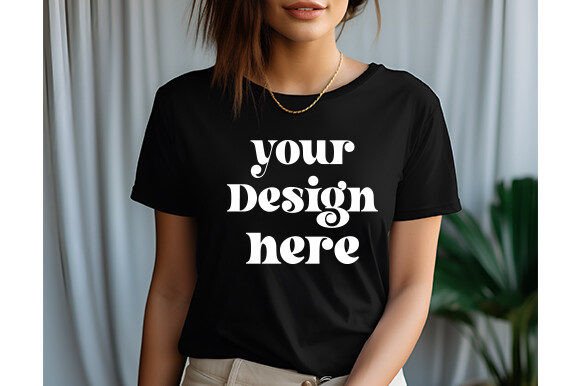
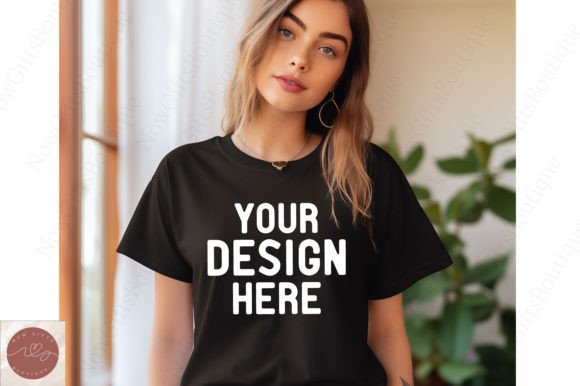
I advise caution when using designs tested on this mockup for stretchy fabrics or dark garments without proper adjustment. For instance, a dense embroidered patch style design might look crisp on the mockup’s light gray shirt, but on a black navy tee, you might need to adjust your underlay or use a different stabilizer strategy to prevent show-through. Always test the design on scrap fabric first. Check your hoop size constraints physically, as the mockup does not account for the mechanical limits of your specific embroidery machine.
Furthermore, consider the washability. The mockup shows a pristine shirt. In real life, a sweatshirt embroidery or a frequently washed tote bag design will undergo stress. Ensure your stitch density is appropriate for the item’s intended use. A heavy fill might be beautiful in the preview, but if it makes the garment stiff and uncomfortable, customers will not return. Use the mockup to assess aesthetic appeal, but rely on your technical expertise for durability.
Enhancing Brand Consistency and Sales
For craft business owners, consistency is brand currency. Using the Valentine Gildan 5000 T-shirt Mockup across your shop listings creates a cohesive look. Whether you are selling holiday embroidery patterns or personalized gift items, having a uniform presentation helps buyers recognize your style. It elevates the perceived value of your work. A sloppy photo taken on a hanger in a dim room suggests hobbyist quality; a well-lit, realistic mockup suggests professional grade.
This is particularly important for commercial embroidery projects where you are bidding against other vendors. When a potential client sees your design rendered realistically on a standard garment, they can visualize the end result clearly. It reduces their cognitive load and makes the decision to buy easier. It bridges the gap between the abstract concept of a digital embroidery file and the tangible joy of wearing a custom apparel piece.
Practical Designer Notes for Best Results
- Test on Scraps: Never skip the physical test. Use the mockup for layout, but use scrap fabric for tension and thread breakage checks.
- Check Contrast: Ensure your thread colors stand out against the shirt color in the mockup. If they blend in digitally, they will vanish in person.
- Verify Licensing: Before selling finished product images created with this mockup, confirm the license terms. Most mockup licenses allow commercial use for promotional images, but always double-check.
- Consider Stabilizer: The mockup won’t show puckering. Choose the right stabilizer for your fabric type to ensure the real item looks as good as the picture.
- Scale Appropriately: Use the mockup to verify that small details in your applique design are visible at the intended size.
In conclusion, the Valentine Gildan 5000 T-shirt Mockup is more than just a printable mockup or a static image. It is a strategic asset for any serious embroidery designer or Etsy seller. It allows you to refine your embroidery project visually, communicate effectively with clients, and present your small shop product with the professionalism it deserves. By combining this visual tool with rigorous technical testing, you can ensure that every stitch counts, both on screen and in hand.